


Time travel drama where the rules matter more than the mechanism
A time travel guide for vertical short drama: four jump rules to lock before episode one, how to structure repetition without boredom, and why the cost of jumping must climb.
Rules matter more than mechanism. Viewers do not care how a jump works; they care what the character cannot do. That limit is what lets them calculate risk and feel tension.
Time travel is attractive because it promises what everyone wants: another attempt. But in a one-minute-per-episode format that promise is also dangerous. If a character can repeat at will, no failure means anything.
That is why every time travel title that works shares one feature: strict rules that are never broken. Viewers do not need to know how the jump happens scientifically; they need to know what the character can and cannot do, so they can calculate risk alongside them.
This page covers the rules of play: four things to fix before writing, how to structure repetition so it does not bore, and how to raise the cost so every attempt feels expensive.
Why Time Travel Drama works in short form
Short drama viewers decide in seconds whether to keep watching or swipe away. A familiar theme helps in exactly those seconds, because nobody needs to be taught who the characters are and what the problem is.
For you as the maker, a familiar theme also cuts the work. The conflict already has a shape, the location needs are small, and titles are easier to write. That leaves your energy for what actually sets a series apart: why the character stays, and the turn nobody saw coming.
- The premise lands instantly, so three seconds go to stakes rather than explanation.
- Repetition supplies a clear episode structure: attempt, failure, adjustment.
- Location needs stay small because many scenes occur in the same place with small variations.
- Rules written early prevent inconsistency by episode twenty.
- Every scene can be tested: is the cost rising, or is the character getting something free?
What to prepare before the first episode
The three points below are usually enough to move an idea from a short note to a plan you can actually shoot.
Four rules to lock first
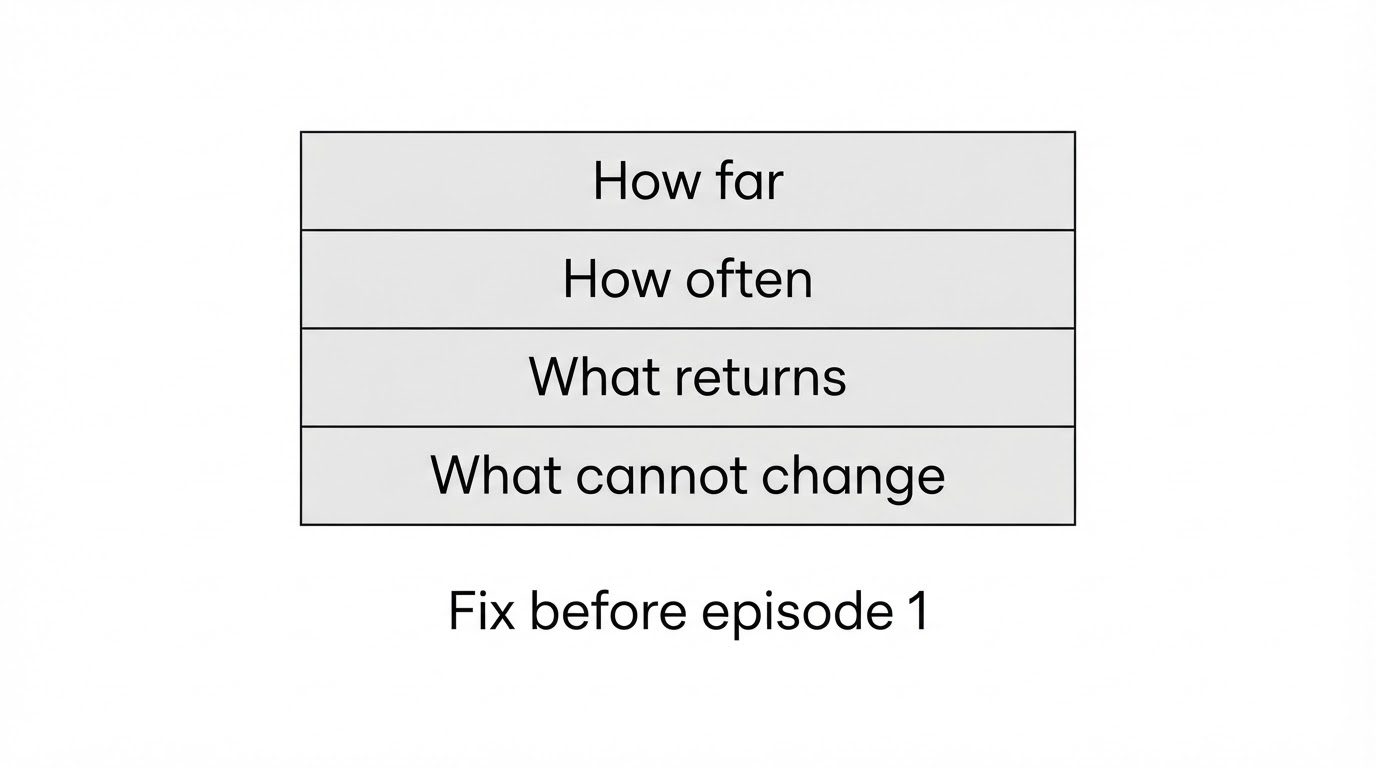
Before writing episode one, fix four things: how far the character can jump, how often, what returns with them, and what cannot be changed at all.
The fourth is the most decisive. Without something absolutely unchangeable, the story loses its boundary and viewers stop believing anything is at risk. That rule is also the best source of tragedy in this theme.
The rule about what returns shapes the whole dynamic. If memory returns, the character has an advantage. If objects return, they have a tool. If injuries return, they have a physical limit that keeps narrowing.
Write all four on one page and keep it visible. By episode twenty, that page is what stops the story becoming inconsistent.
Loop structure that does not bore
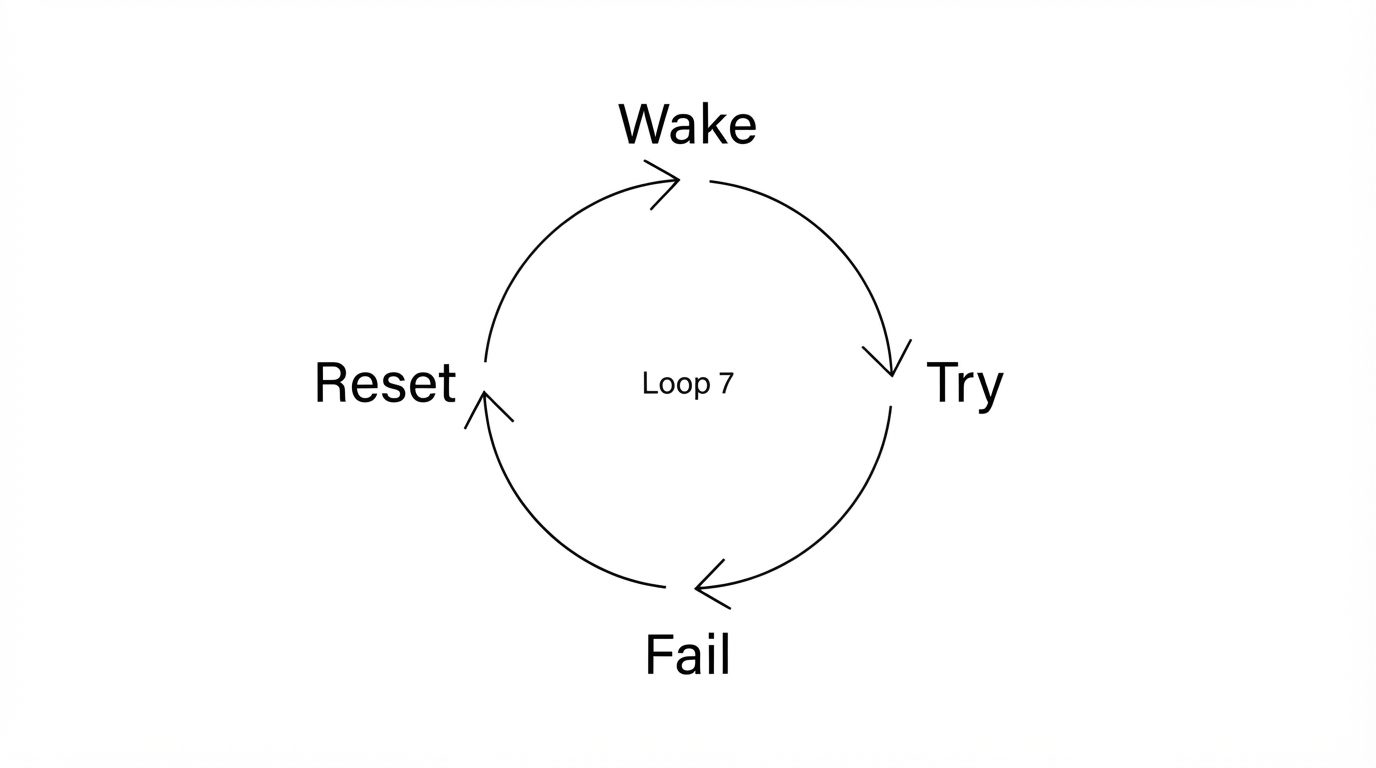
For titles built on repeating a day or an event, the structure is circular: wake, try, fail, reset. Its strength is clarity; its risk is repetition that feels identical.
The way around it is making sure every loop changes one thing that cannot be undone. New information, a relationship altered because the character acted differently, or a part of themselves worn away.
Do not show the whole loop every time. After the third round viewers understand the pattern, so skip the identical part and start at the point of difference. This also saves runtime, which is extremely valuable in short form.
Number the loops explicitly on screen. Viewers in a vertical format often watch while doing something else, and a number is the cheapest way to keep them from getting lost.
The cost of jumping must climb
If repeating is always free, failure stops mattering. Viewers stop worrying because they know the character can simply try again without losing anything.
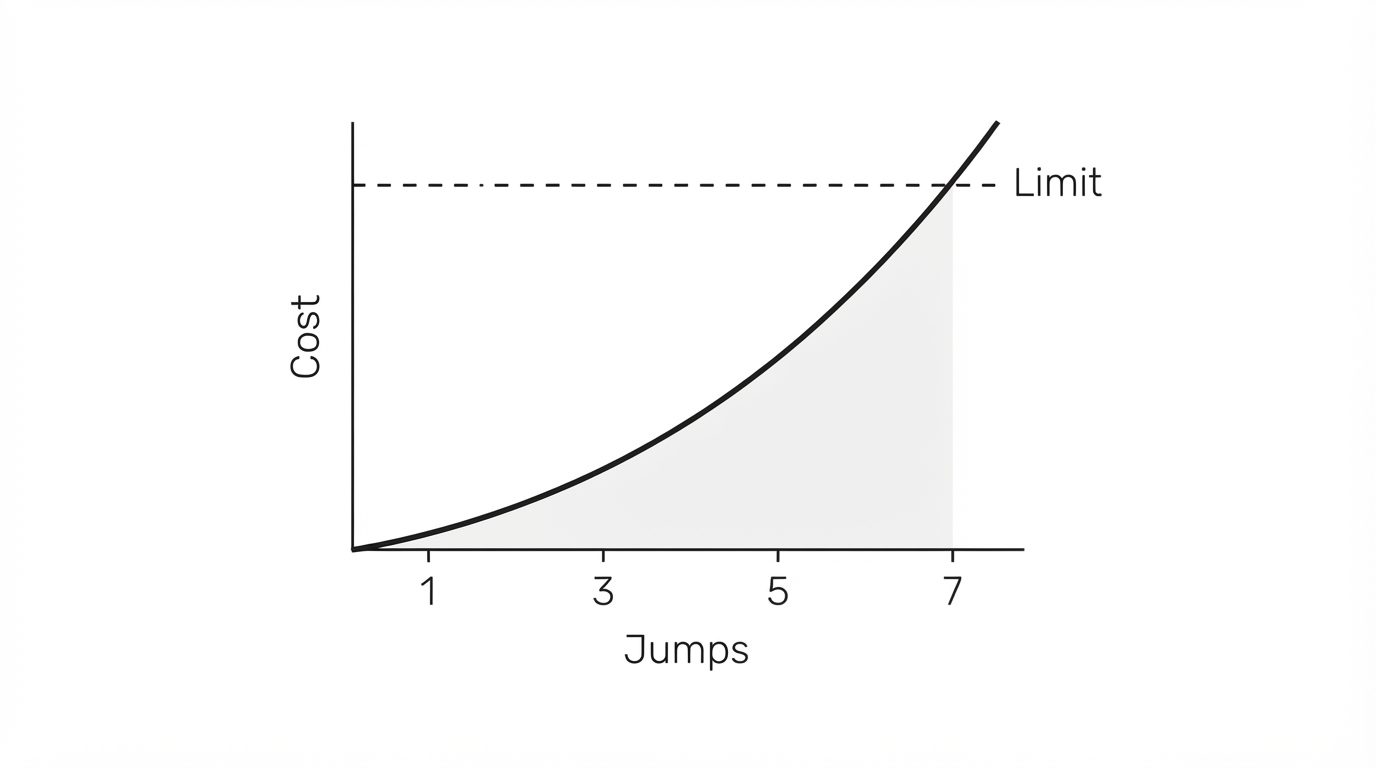
The solution is a cost that increases, ideally sharply. The first jump is cheap, the fifth nearly unaffordable. That forces the character to choose which attempts are genuinely worth making.
The cost can be lifespan, memory, fading relationships, or physical capability. What matters is that it is visible rather than stated: show the character forgetting a name, or no longer being recognised by someone once close.
Set an upper limit early and let viewers know it. Knowing the character has only a few jumps left turns every decision tense, even in quiet scenes.
What cannot be changed is the story
The most memorable time travel titles almost always have one thing the character tries repeatedly to change and never succeeds in changing.
That gives the story its shape. Every failed attempt adds weight, and viewers begin asking not "how will they succeed" but "what will they do when they accept they cannot".
Choose something personal and small rather than a large catastrophe. Saving one loved person is far stronger than preventing a city's destruction, because viewers can imagine that loss.
Let the character nearly succeed at least once. Failure that follows a near miss is far heavier than failure that repeats identically.
Mistakes that make it confusing
Too many active timelines. Two is enough for short form. Three forces viewers to hold context for every scene, which is too much for viewing that happens while scrolling.
Rules broken to save the character. Once viewers feel the rules are negotiable, the rest of the title loses its tension.
Paradoxes explained at length. Viewers did not come for the logic of time travel; they came for the emotional stake. Explain the rules, not the theory.
A character who repeats without appearing tired. Repetition should erode. Show that erosion, because without its traces viewers do not feel that time has genuinely passed for the character.
याद रखने योग्य मुख्य बातें।
The cost of jumping must climb. If repeating is always free, failure stops meaning anything and viewers stop worrying. A rising cost forces the character to choose which attempts are worth making.
The strongest payoff in this theme is usually not successfully changing the past but the moment the character accepts that something cannot be changed and decides what to do with that fact.
- a character returning to the most decisive point in their life
- a changed timeline, relationship paradox, and growing consequence
- a chance to correct a large mistake or save someone once lost
- वर्टिकल, हर एपिसोड 1–2 मिनट
How to use this theme in production
Lock four jump rules
Distance, frequency, what returns, and what absolutely cannot change.
Choose one unchangeable thing
Something personal and small, not a large catastrophe.
Design a climbing cost
First jump cheap, fifth nearly unaffordable. Show the cost on screen.
Number every loop
The cheapest way to keep viewers from getting lost while half-watching.
Skip the identical part
After the third round, open directly at the point of difference.
Give one near miss
Failure after nearly succeeding is far heavier than repeated identical failure.
अक्सर पूछे जाने वाले सवाल
What must be established before writing a time travel drama?
Four rules: how far the character can jump, how often, what returns with them, and what absolutely cannot be changed. The fourth is most decisive because it provides both the boundary and the tragedy.
Do viewers need a scientific explanation of the jumps?
No. Viewers care about the rules of play, not the mechanism. What they need is to know what the character can and cannot do, so they can calculate risk alongside them.
Why must the cost of jumping rise?
Because if repeating is always free, failure stops mattering and viewers stop worrying. A climbing cost forces the character to choose which attempts are genuinely worth making.
Which kind of cost registers most with viewers?
Visible ones: lost memories, fading relationships, or reduced physical capability. Show the character forgetting a name rather than merely stating that something was lost.
How many timelines are safe in short form?
Two. Three forces viewers to hold context for every scene, which is too much for viewing that happens while scrolling on a phone.
How do you keep loop structure from getting boring?
Make sure every loop changes one thing that cannot be undone, and after the third round skip the identical part. Open directly at the point of difference to save runtime.
Should the loops be numbered on screen?
It helps considerably. A number is the cheapest way to keep viewers oriented, especially since many watch while doing something else.
Does the character have to succeed in changing the past?
Not necessarily. A stronger payoff is often the moment they accept something cannot be changed and decide what to do with that fact.
May the rules be broken once to save the character?
Better not. Once viewers feel the rules are negotiable, the rest of the title loses tension because nothing is genuinely at risk any more.
What should be chosen as the unchangeable thing?
Something personal and small, such as saving one loved person. A large catastrophe feels abstract, while losing one person is something viewers can picture immediately.
How do you show that repetition exhausts the character?
Through accumulating traces: changed speech, thinning patience, or flatter reactions to things that once shocked them. Without these, viewers do not feel time passing for the character.
What should you read after this?
The reincarnation theme for a second-life premise with simpler rules, or the fantasy genre page for pricing power so tension survives.


Page summary
This section answers the most common questions so you can understand the page context faster before moving to the next creative step.


