


What is Genre "Young Widow" in Microdrama?
Genre "Young Widow" is built for family conflict, inheritance, and long-hidden secrets in vertical short drama. Family drama is strong for short format because viewers already understand the relationships and the emotional stakes can be compressed quickly.
A good Genre "Young Widow" story does not need a crowded opening. It needs one clear character, one pressure point, and one question the next episode can answer.
Genre "Young Widow" is a practical story direction for creators who want family conflict, inheritance, and long-hidden secrets in a vertical short drama. The audience should quickly understand who the story follows, what pressure is rising, and why the conflict deserves attention.
Family drama is strong for short format because viewers already understand the relationships and the emotional stakes can be compressed quickly. In short episodes, this clarity matters because viewers decide quickly whether a series feels worth continuing.
For Microdrama AI creators, Genre "Young Widow" helps narrow the creative choices before writing: the opening scene, the emotional promise, the type of conflict, and the payoff that should close an episode.
Why Genre "Young Widow" matters for short drama production
In practice, a strong genre helps viewers make a fast decision: whether the series feels relevant, whether the conflict is interesting, and whether the next episode is worth watching.
That is why genre is not just a catalogue label. It filters tone, dialogue rhythm, conflict shape, visual style, and the type of cliffhanger that will feel most effective.
- Genre "Young Widow" helps viewers recognise the story's promise without a long explanation.
- It gives creators a clearer boundary for tone, pacing, visual style, and cliffhanger choices.
- It works well for family conflict, inheritance, and long-hidden secrets because each episode can focus on one change that moves the story forward.
- A specific genre makes the title, thumbnail, caption, and episode hook easier to align.
- It also helps production teams cut scenes that do not support the main conflict.
How to read this genre before writing episodes
This section covers story direction, opening hooks, conflict pressure, and how to keep characters feeling human.
Why Genre "Young Widow" works
Genre "Young Widow" works when its promise is clear from the first scene. Family drama is strong for short format because viewers already understand the relationships and the emotional stakes can be compressed quickly. The audience should not need a long setup before understanding the emotional or visual reason to keep watching.
The strongest story direction
The strongest direction is to focus on inheritance, parents, family status, and old secrets that were never resolved. This keeps the story easy to follow on mobile while giving every episode a visible reason to exist.
Opening hooks that fit
Open with a family decision that immediately breaks a relationship. Use an old secret that triggers conflict across generations. Make it clear who has power in the family and who has been pushed aside. The best hook leaves one specific question, not five confusing questions at once.
Keeping Genre "Young Widow" human
Keep Genre "Young Widow" grounded in character need. Even when the situation is dramatic, the audience should understand what the character wants, what they fear losing, and why the choice is hard. Aim the payoff toward a reunion, a reversal of status, or the confession that has been hidden for years.
Key points to remember
The strongest short dramas treat genre as a promise. If the opening suggests one kind of experience, the conflict and payoff should keep paying that promise back.
When AI is used in production, the brief still needs a human point of view: character motive, emotional tone, and the kind of ending the audience should feel.
- family conflict, inheritance, and long-hidden secrets
- inheritance, parents, family status, and old secrets that were never resolved
- family loyalty, guilt, and the fight for position inside one's own home
- a reunion, a reversal of status, or the confession that has been hidden for years
- Vertical, 1–2 minutes per episode
How to use this genre in production
Define the genre promise
Write one sentence that makes Genre "Young Widow" clear before adding subplots.
Build the core conflict
Use family loyalty, guilt, and the fight for position inside one's own home as the pressure that drives the episode forward.
Land the payoff
Close with a reunion, a reversal of status, or the confession that has been hidden for years so viewers have a reason to continue.
Frequently asked questions
What is Genre "Young Widow" in microdrama?
Genre "Young Widow" is a short drama direction built around family conflict, inheritance, and long-hidden secrets. It helps viewers understand the emotional promise quickly and gives creators a clearer structure for hook, conflict, and payoff.
Why does Genre "Young Widow" work for vertical short drama?
It works because the story can be read fast on a phone screen. The viewer sees the pressure, understands the relationship between characters, and reaches a cliffhanger without waiting through a long setup.
What conflict fits Genre "Young Widow" best?
The safest starting point is family loyalty, guilt, and the fight for position inside one's own home. This gives the story a clear source of tension and helps every scene push toward a visible change.
How long should an episode of Genre "Young Widow" be?
For most microdrama formats, 45 to 120 seconds is a practical range. It gives enough room for one hook, one escalation, and one ending beat.
What kind of payoff should Genre "Young Widow" deliver?
Aim for a reunion, a reversal of status, or the confession that has been hidden for years. The payoff should feel like a return on the promise made in the opening scene, not a random twist added at the end.

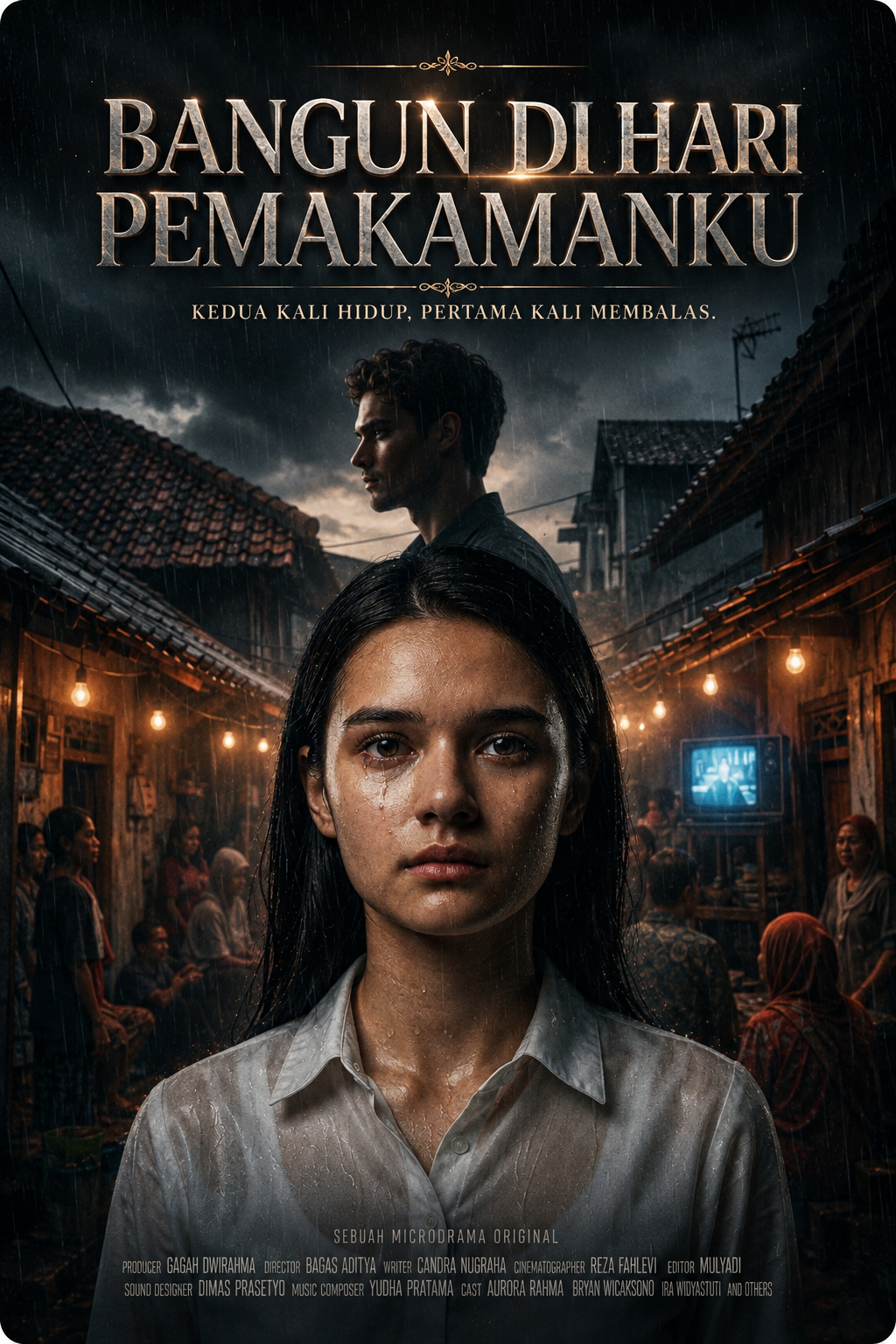


Page summary
This section answers the most common questions so you can understand the page context faster before moving to the next creative step.