


Reincarnation drama where knowing the future is the engine, and losing that edge is the story
A reincarnation drama guide for vertical short drama: how to show two lives without confusion, why the character's advantage must shrink, and how every fix creates a new consequence.
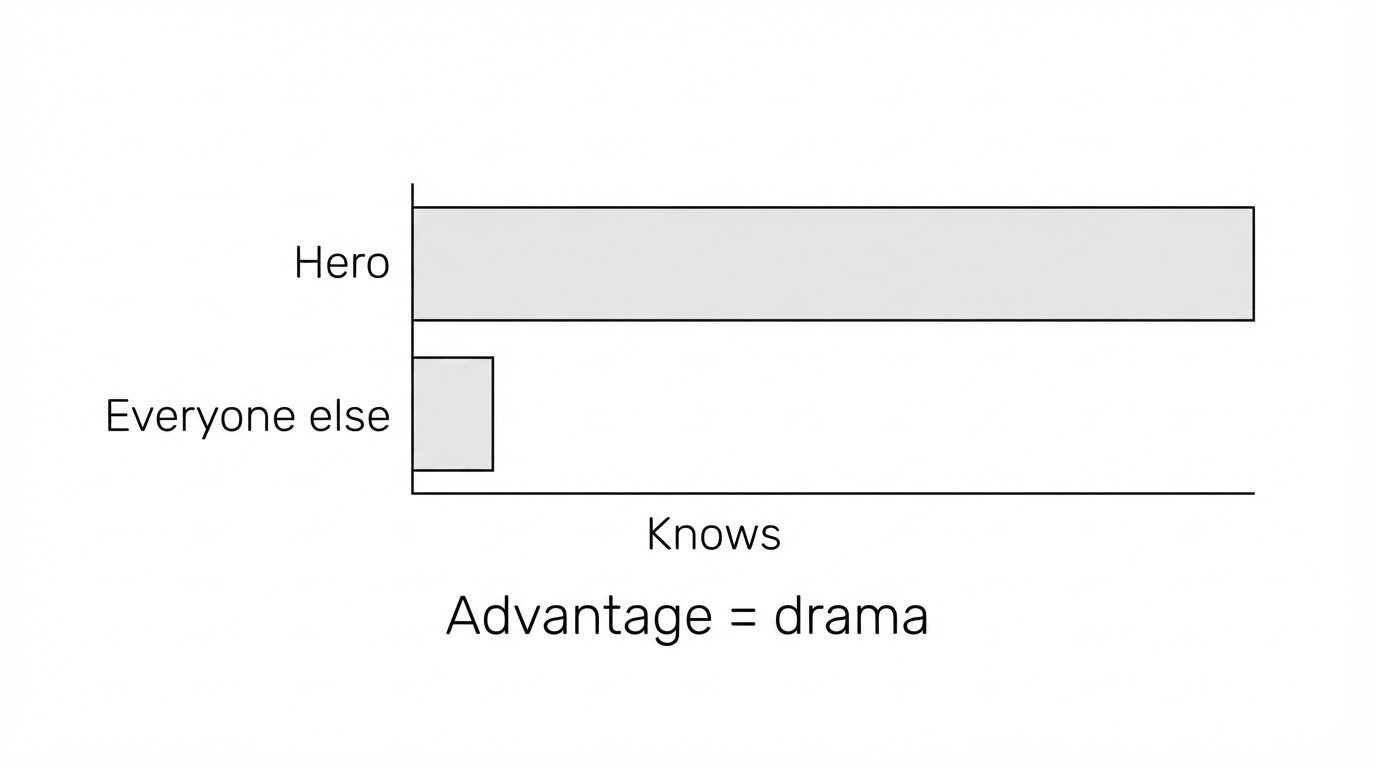
Foreknowledge must shrink, not grow. Every change the character makes alters the future, so their knowledge becomes progressively less applicable. That shrinkage is precisely what sustains tension to the final episode.
Reincarnation works in short form because the premise needs no explanation. Viewers grasp "she lived again and remembers everything" in one sentence, and immediately understand what is interesting: this character holds an advantage nobody around them has.
The problem is that the same advantage becomes dull fastest. If the character is always right and always wins because they know the future, nothing is at stake by episode five. What keeps this theme alive is how that advantage slowly disappears.
This page covers the writing decisions: how to present two lives without confusion, how to price every change, and how to keep tension once the character's knowledge stops applying.
Why Reincarnation Drama works in short form
Short drama viewers decide in seconds whether to keep watching or swipe away. A familiar theme helps in exactly those seconds, because nobody needs to be taught who the characters are and what the problem is.
For you as the maker, a familiar theme also cuts the work. The conflict already has a shape, the location needs are small, and titles are easier to write. That leaves your energy for what actually sets a series apart: why the character stays, and the turn nobody saw coming.
- The premise lands in one sentence, so three seconds go to conflict rather than setup.
- Foreknowledge gives writers a natural reason for decisive, fast-moving action.
- The first life supplies free conflict: everyone who betrayed the character can now be faced earlier.
- Visual needs stay small because the difference between two lives is carried by small changes, not a new world.
- Every scene can be tested: is the character's advantage shrinking, or growing without reason?
What to prepare before the first episode
The three points below are usually enough to move an idea from a short note to a plan you can actually shoot.
Two timelines that read immediately
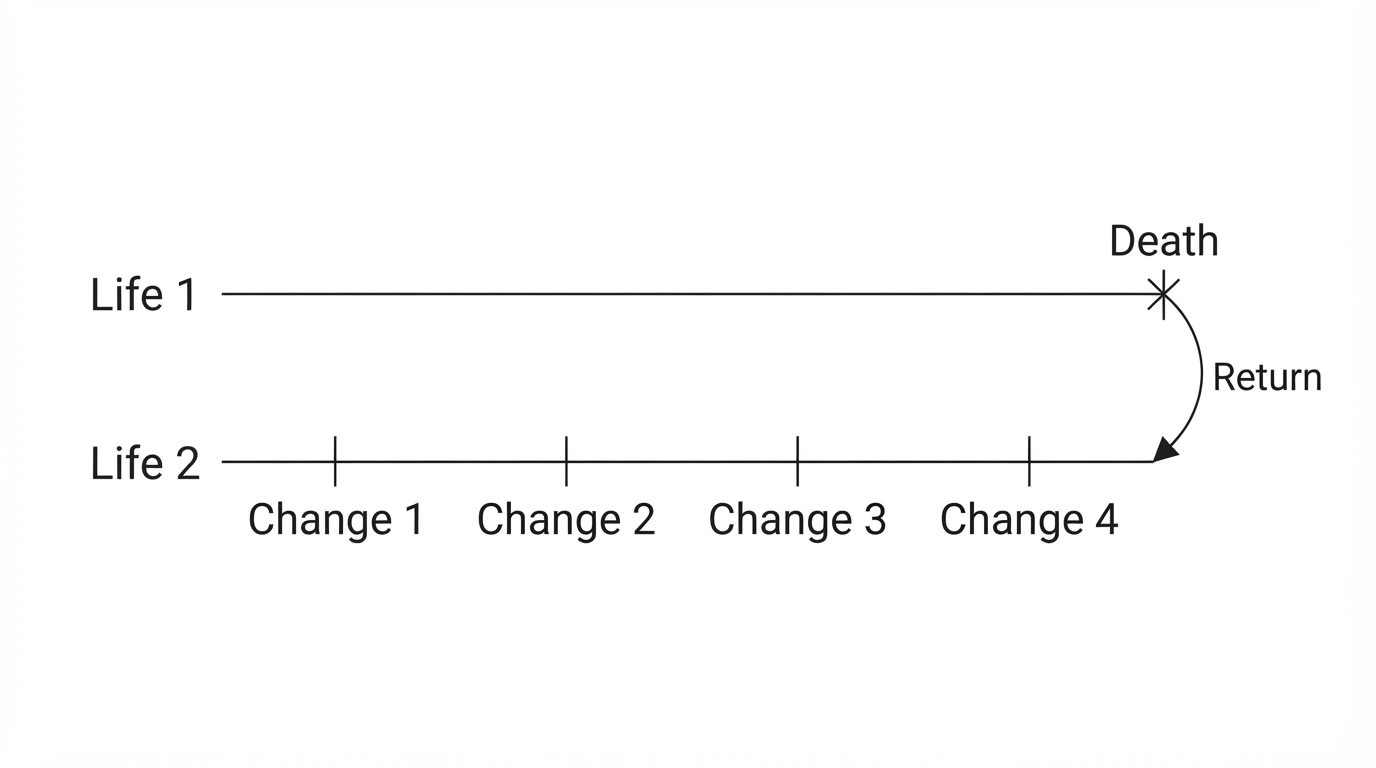
Viewers need to understand two things in episode one: that there was a previous life, and that it ended badly. Both can be delivered without narration.
The fastest method opens at the moment of death or ruin, then cuts to the character opening their eyes at a place and time clearly earlier. Viewers assemble the relationship themselves within seconds.
After that, mark the second life with changes that can be counted. Four to six major change points across twelve episodes is enough, each a decision different from the one the character originally made.
Avoid moving back and forth between timelines too often. In a one-minute format, one jump per episode is the safe limit before viewers lose track.
Foreknowledge and how to shrink it
At the start of the story the character knows far more than everyone around them. That is enjoyable for a few episodes and dangerous for the rest.
The problem is simple: a character who is always right cannot fail, and a character who cannot fail is not interesting. So the advantage has to be designed to shrink.
The most natural method makes every change alter the future. Once the character saves someone who previously died, the whole sequence of events afterwards no longer matches their memory, and their knowledge stops applying.
Design the point at which their knowledge genuinely runs out, usually around two thirds of the title. From there the character has to survive on the capability they have built rather than on memory, and that is where the story becomes most interesting.
Every fix creates a new consequence
A dull reincarnation is one without a price. The character corrects their mistakes one by one, all of it works, and viewers stop worrying.
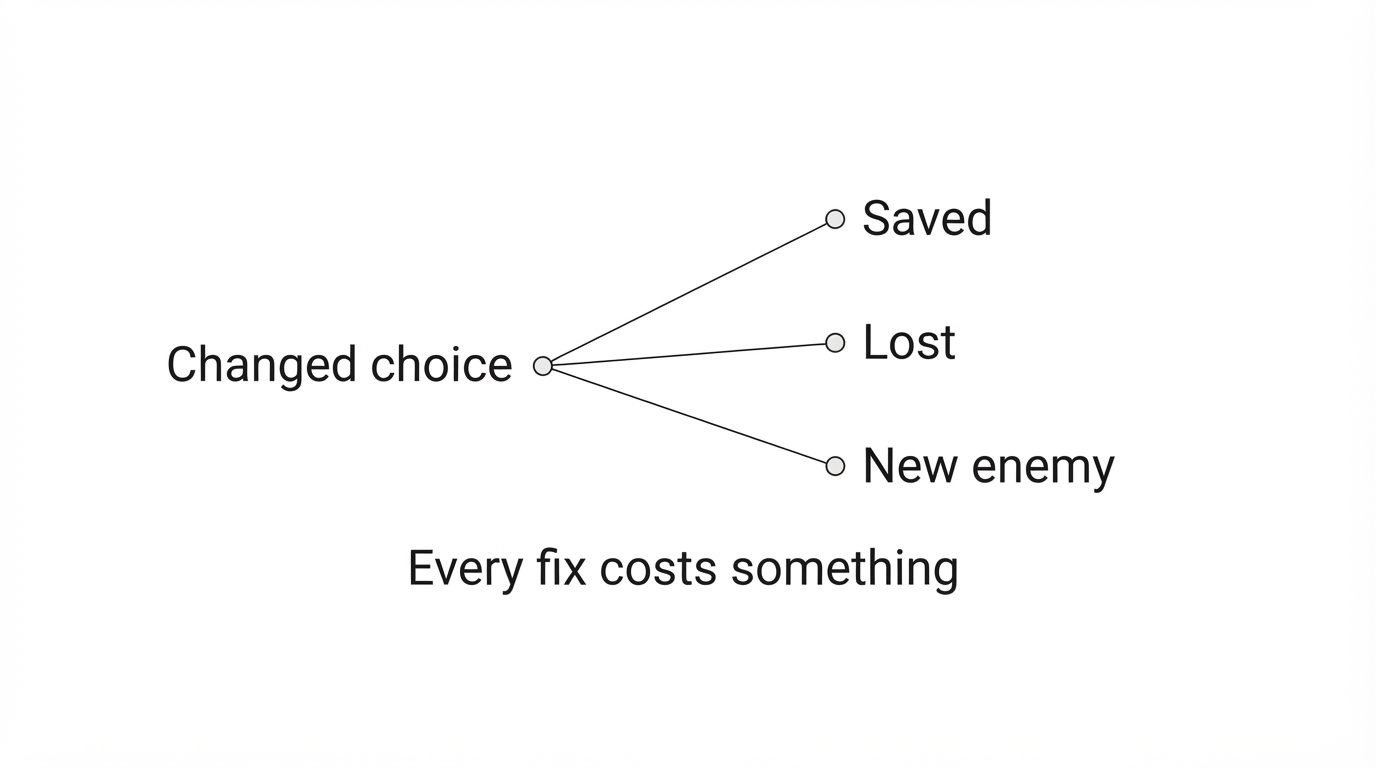
The rule that preserves tension: every successful change must produce at least one unwanted consequence. Saving someone means another person is now in danger. Avoiding one betrayal means the betrayer is now free with a new reason.
The most interesting consequence is usually an enemy who never existed in the first life. It signals that the character has genuinely changed the world, and it supplies an opponent memory cannot anticipate.
Record these consequences while building the outline. Adding them later almost always feels forced.
A motive stronger than revenge
Revenge is the most common motive in this theme and the one that exhausts fastest. Once the character has brought down whoever ruined them, the story loses direction unless a second motive exists.
The motive that lasts longer is usually protecting someone. It never completes, because danger can arrive from new directions, and it forces the character into risks that do not benefit them.
A third motive that is often strong is understanding. The character wants to know why all of it happened, and that search can run the length of a serial without feeling circular.
Combine two motives with different weights. Revenge as the early driver and protection as the late one is the pairing that most often works.
Mistakes that turn it into a list of victories
A character who never miscalculates. If every prediction lands, viewers stop worrying. Give at least one moment where memory misleads because circumstances have already changed.
Everyone else being too stupid. Raising the lead by lowering everyone around them makes their victories cheap. Give opponents plausible reasons and real capability.
Changes explained through narration. Viewers understand a change faster through other people reacting differently from what the character expected.
A first life never shown. One or two brief fragments are enough, but without them viewers have no comparison for feeling what was successfully changed.
Key points to remember
A successful change has to create a new consequence. Saving one person places another in danger, or produces an enemy who never existed in the first life. Without consequences, the story becomes a list of victories.
The strongest payoff is rarely a completed revenge. It is the moment the character realises the thing they most want to fix requires something their knowledge cannot buy.
- a character waking into a second life with full memory
- a changed fate, an old relationship returning, and a hidden identity
- redemption, a reversal of fortune, or saving the person once lost
- Vertical, 1–2 minutes per episode
How to use this theme in production
Open at the moment of ruin
Then cut to the character waking earlier. Viewers assemble the relationship themselves.
Mark four to six change points
Each a decision different from the one originally made.
Design the advantage shrinking
Set the episode where foreknowledge runs out, around two thirds of the title.
Attach a consequence to every fix
One unwanted consequence per change, recorded while outlining.
Install a second motive
Revenge as the early driver, protecting someone as the late one.
Show the first life briefly
One or two short fragments as comparison, not lengthy narration.
Frequently asked questions
Why does reincarnation suit short drama?
Because the premise is understood in one sentence without explanation. Viewers immediately know the character holds an advantage nobody else has, so the first three seconds go to conflict rather than setup.
How do you explain two lives without long narration?
Open at the moment of death or ruin, then cut to the character opening their eyes at a clearly earlier time. Viewers assemble the relationship between the two themselves within seconds.
Why do reincarnation stories get dull in the middle?
Because the character always wins through foreknowledge. A character who cannot fail stops being interesting. Design the advantage to shrink as the changes they make alter the future.
When should the character's knowledge stop applying?
Around two thirds of the title. From that point they have to survive on capability they have built rather than on memory, and that stretch is usually the most interesting.
Does every change need a consequence?
Yes. Saving one person puts another in danger, or produces an enemy who never existed in the first life. Without consequences the story becomes a list of victories.
What motive lasts longer than revenge?
Protecting someone, because it never completes and forces the character into risks that do not benefit them. The pairing that works is revenge as the early driver and protection as the late one.
How often can you move between timelines?
One jump per episode is the safe limit. Beyond that, viewers in a one-minute format begin losing track of which events are currently unfolding.
Does the first life need to be shown?
Yes, even if only in one or two brief fragments. Without a comparison, viewers cannot feel what was successfully changed, so the character's victories lose their weight.
How do you stop opponents feeling stupid?
Give them plausible reasons and real capability. Raising the lead by lowering everyone around them makes victories cheap and the story dull quickly.
May the character miscalculate?
They should, at least once. The moment memory misleads because circumstances have already changed is the turn that makes viewers worry again and re-engage.
How many episodes suit this theme?
Plan twelve with the shrinking advantage as the frame. For longer titles, the change-and-consequence pattern can repeat as long as each round brings an opponent memory cannot anticipate.
What should you read after this?
The time travel theme for stricter jump rules, or the fantasy genre page for pricing power so tension survives.


Page summary
This section answers the most common questions so you can understand the page context faster before moving to the next creative step.


